
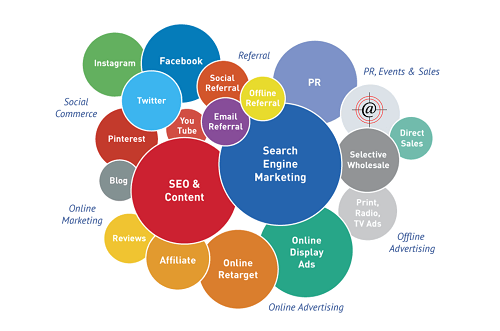
A new generation of digital tools that enable businesses to function more quickly, intelligently, and effectively has emerged in 2025 as the global business landscape continues to change. Adopting the appropriate digital tools is now crucial for a business to remain competitive, regardless of how long it has been in operation. The foundation of contemporary operations is technology, which enables companies to automate processes, foster better teamwork, improve customer satisfaction, and make data-driven decisions. As the global business landscape continues to evolve, 2025 has brought a new wave of digital tools that help companies operate faster, smarter, and more efficiently. Whether a business is just starting or already well-established, adopting the right digital tools is now essential for staying competitive. Technology has become the backbone of modern operations, helping businesses automate tasks, improve collaboration, enhance customer experience, and make data-driven decisions.
Businesses that embrace digital transformation have a distinct advantage in this quickly evolving environment. Workflows can be streamlined, operating expenses can be decreased, and new growth prospects can be generated with the appropriate tools. The most important digital tools that every company should use in 2025 to stay ahead are listed in detail below.
1. Tools for Cloud-Based Project Management
With numerous departments, remote teams, and growing workloads, project management has grown more complicated. In 2025, cloud-based tools like Monday.com, Asana, and Trello will be crucial for effective project management. Businesses can assign tasks, monitor progress, establish priorities, and enhance real-time communication with these tools.
Cloud technology facilitates seamless collaboration by enabling teams to access project boards from any location. Additionally, these platforms help businesses maintain consistent productivity and finish projects on time by providing automation, time tracking, and reporting features. Project management tools are essential for businesses of all sizes in 2025; they are no longer limited to large corporations.
2. Software for customer relationship management (CRM)
One of the most important elements affecting business success today is customer experience. CRM programs like HubSpot, Salesforce, and Zoho CRM assist businesses in tracking sales opportunities, managing customer interactions, and customizing marketing campaigns.
Customer data, communication history, preferences, and behavior patterns are all kept in one location by a CRM. This enables companies to improve customer retention, target the appropriate audience with pertinent messages, and forge closer bonds with their clients. By 2025, companies using CRM systems will have a better grasp of their target market and be able to provide more efficient services.
3. Marketing Tools Driven by AI
In every industry, artificial intelligence is changing marketing tactics. ChatGPT-based assistants, Jasper, Canva AI, and automated ad platforms are examples of tools that assist businesses with content creation, campaign execution, and more precise performance analysis.
AI marketing tools can create graphics, optimize advertisements, produce SEO-friendly content, and suggest tactics based on consumer behavior. These tools offer insights that enhance decision-making while lowering the amount of manual labor needed. By reaching the right customers at the right time, companies that incorporate AI into their marketing procedures will have a major competitive advantage in 2025.
4. Tools for Accounting and Financial Management
Manual money management takes a lot of time and is prone to mistakes. In 2025, businesses will need sophisticated accounting software like Xero, FreshBooks, and QuickBooks. These programs automate financial reporting, tax computations, payroll processing, expense tracking, and invoicing.
Real-time dashboards provide businesses with immediate financial health insights. This aids business owners in controlling spending, planning for future expansion, and making wiser decisions. Digital accounting tools increase accuracy and compliance while decreasing administrative work.
5. Platforms for Cooperation and Communication
In 2025, remote teams and hybrid work models will make communication tools even more crucial. Teams can collaborate, hold meetings, and share information more easily with the help of platforms like Zoom, Microsoft Teams, Slack, and Google Workspace.
Features like file sharing, video conferencing, chat channels, and integrated calendars are offered by these tools. They enable workers to work effectively from any location, enhance teamwork, and close communication gaps. Modern communication tools help businesses maintain greater productivity and internal alignment.
6. Tools for Data Protection and Cybersecurity
Security risks increase as technology advances. In 2025, cybersecurity tools will be crucial for all businesses due to the growing frequency of cyberattacks. Sensitive data is protected by tools like firewalls, VPNs, multi-factor authentication, antivirus software, and data encryption systems.
These days, digital tools that keep an eye on networks, identify threats, and stop questionable activity are essential. To secure their data, maintain business continuity, and protect customer privacy, businesses need to invest in cybersecurity solutions. Businesses run the risk of suffering monetary losses, legal troubles, and reputational harm in the absence of robust security.
7. Online Payment Systems and E-Commerce
E-commerce tools are crucial for companies that sell goods or services because online shopping is growing. Businesses can quickly create online stores and effectively handle orders with platforms like Shopify, WooCommerce, and Wix.
Transactions are simple and safe thanks to digital payment methods like PayPal, Stripe, and mobile wallets. These systems provide real-time tracking, automated billing, and a variety of payment options. In 2025, customers expect fast and convenient purchasing experiences, and businesses must adopt these tools to meet their expectations.
8. HR and Employee Management Systems
Human resource management has become more complex with remote hiring and global teams. Tools like BambooHR, Gusto, and Workday help businesses handle recruitment, onboarding, payroll, attendance tracking, and performance reviews.
These platforms automate HR tasks, reduce paperwork, and improve employee experience. With analytics and reporting features, HR teams can make informed decisions about hiring, training, and workforce development. In 2025, businesses that use digital HR tools create more organized, productive, and engaged teams.
9. Data Analytics and Business Intelligence Tools
Data has become one of the most valuable assets for modern businesses. Tools such as Google Analytics, Power BI, and Tableau help companies analyze customer behavior, track performance, and uncover trends.
These tools provide visual dashboards, real-time reports, and actionable insights that guide strategy and planning. Businesses that use analytics tools in 2025 gain a deeper understanding of their market, improve operational efficiency, and make smarter decisions that lead to long-term growth.
10. Automation Tools to Simplify Workflows
Automation tools remove repetitive tasks from daily operations. Platforms like Zapier, Make, and automation features in CRMs or project management systems help businesses streamline processes such as scheduling, email follow-ups, data entry, and customer support.
Automation reduces errors, saves time, and allows teams to focus on higher-value work. By 2025, automation has become essential for businesses that want to deliver efficient services and maximize productivity.
In conclusion
The year 2025 marks a significant shift in how businesses operate. Digital tools are no longer optional; they have become critical to growth, efficiency, and competitiveness. From project management and marketing to cybersecurity and data analytics, the right technology empowers businesses to stay ahead in an increasingly digital world.
Organizations that embrace these tools gain stronger customer relationships, better operational performance, and more strategic decision-making. As technology continues to evolve, businesses that adapt early will lead their industries, while those who delay risk falling behind.
Xolvin Team