
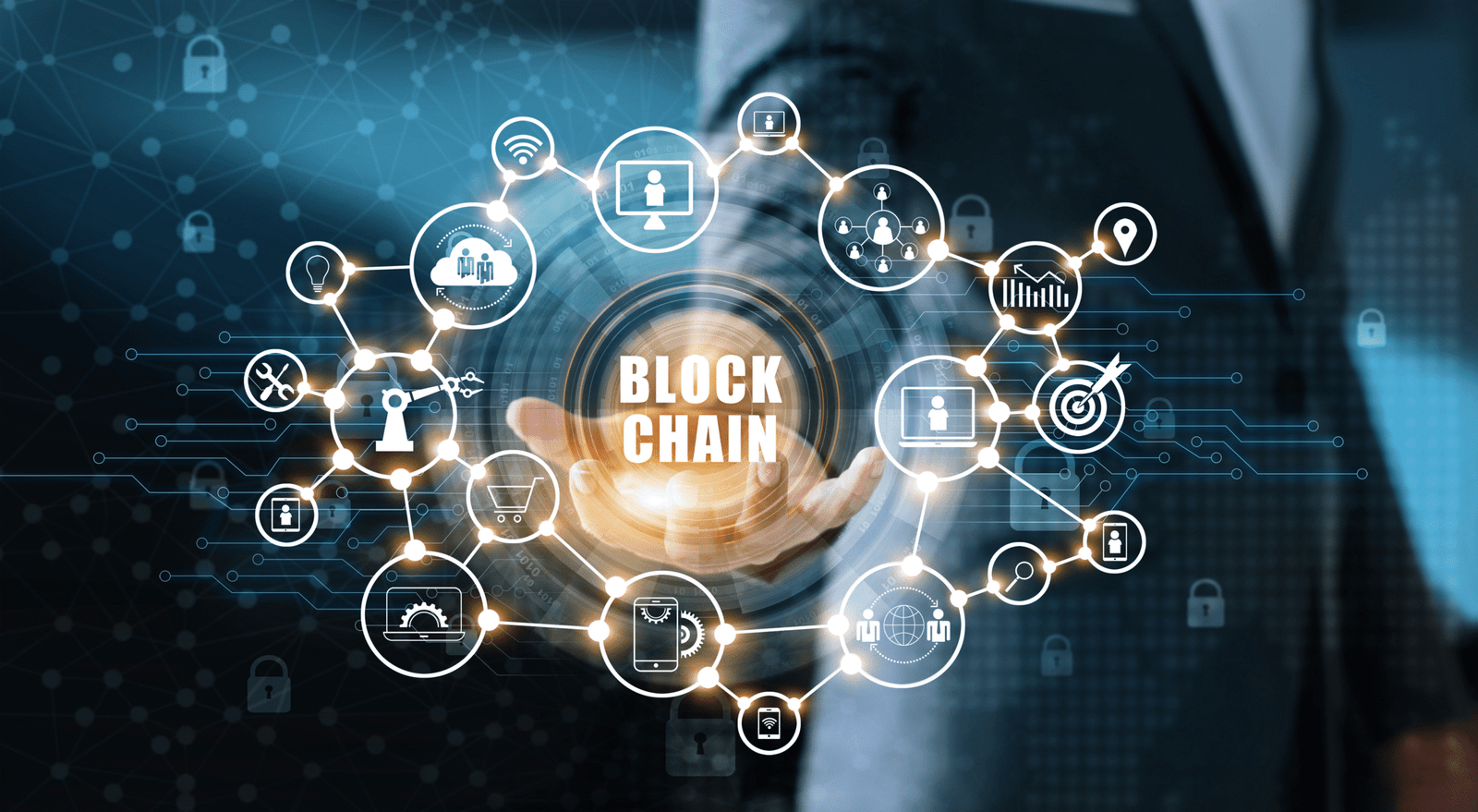
As cyber threats continue to rise and businesses rely more on digital systems, the need for strong, reliable security has never been greater. This is where blockchain technology is making a massive impact. Originally known for powering cryptocurrencies, blockchain has now evolved into one of the most secure and transparent technologies available for modern businesses. Its ability to store information in a decentralised, tamper-proof system makes it especially valuable for protecting data, ensuring transparency, and preventing fraud.
In order to improve their security, more businesses in sectors like finance, healthcare, e-commerce, supply chain, and even government services are implementing blockchain. It offers a reliable means of storing and exchanging data, resulting in systems that are very challenging for hackers to access. Blockchain is becoming a potent instrument for long-term digital security as cyberattacks become more complex. Today, more companies across industries like finance, healthcare, e-commerce, supply chain, and even government services are adopting blockchain to strengthen their security. It provides a trustworthy way to store and share data, creating systems that hackers find extremely difficult to breach. As cyberattacks become more sophisticated, blockchain is emerging as a powerful tool for long-term digital protection.
1. Blockchain Produces a Data Structure That Is Impenetrable
Blockchain’s decentralised data structure is a major factor in its high level of security. Blockchain disperses data among several nodes (computers) rather than keeping it on a single server that hackers could target.
Every bit of data is kept in blocks, and cryptographic hashing is used to connect each block to the next. This implies:
- Data cannot be changed once it has been added.
- Any attempt to alter data is detected right away.
- A single point of failure does not exist.
Blockchain is ideal for safeguarding sensitive company data because of its tamper-proof design, which drastically lowers the possibility of unauthorised data modification.
2. Increased Openness Fosters Mutual Trust
Every transaction or data entry on a blockchain system is documented in a public or private ledger, making it transparent. This degree of openness helps companies gain the trust of their internal teams, partners, and clients.
For instance:
- Supply chains are able to monitor the flow of goods from production to delivery.
- Finance firms don’t need to rely on outside auditors to confirm each transaction.
- Companies can guarantee that records are truthful and unaltered.
Since everyone can see exactly what happened and when, transparent data increases credibility and decreases disputes.
3. Robust Encryption Almost Completely Prevents Hacking
Blockchain employs cutting-edge cryptography to safeguard all data kept on the network. Only complex digital keys can access the encrypted data contained in each block. This implies that without the right key, hackers cannot easily access the system or decode the data.
The data is still unavailable even if one node is compromised because:
- Encrypted hashes connect each block to the next.
- It is practically impossible for hackers to change every block in the chain at once.
Because of this, blockchain is among the safest technologies for protecting private company data, medical records, and financial transactions.
4. Removes Intermediaries and Diminishes Fraud
In order to verify or process transactions, traditional systems frequently rely on middle platforms, banks, auditors, or agents. These positions contribute to maintaining trust, but they also raise expenses and slow down procedures.
Blockchain uses secure peer-to-peer transactions and smart contracts to do away with the need for these middlemen. This lowers:
- The likelihood of fraud
- The possibility of data manipulation
- Operational expenses
- Human error
When conditions are met, smart contracts automatically carry out actions, guaranteeing accuracy and fairness without the need for human intervention.
5. Supply Chain Security Is Enhanced by Real-Time Tracking
Major issues that supply chains must deal with include lost shipments, inaccurate reporting, and product counterfeiting. Blockchain offers real-time traceability, which resolves these issues.
Companies are able to monitor:
- Origins of raw materials
- Details of product manufacturing
- Location of shipment
- Delivery schedules
This guarantees that customers receive real goods, shipments are safe, and products are authentic. Blockchain is crucial for maintaining integrity and preventing fraud in industries like food production, luxury goods, and pharmaceuticals.
6. Prevents Data Breach Risks for Businesses
Data breaches can cost businesses millions of dollars and seriously harm their brand. Because blockchain distributes data among several nodes, it is far more resilient to hacking attempts than centralised databases.
Because hackers are unable to access or alter data from a single location, blockchain significantly lowers:
- Attacks using ransomware
- Unauthorised access to data
- Internal system manipulation
- Breach of insider security
Because of this, blockchain is an essential tool for companies looking to protect themselves from cybercrime.
7. Enhances Authentication and Identity Verification
One of the most significant security issues that companies now have to deal with is identity theft. By providing users with a safe, verifiable digital identity that is stored on the blockchain, blockchain helps address this issue.
Advantages consist of:
- User authentication that is safer
- Sensitive data does not need to be centrally stored.
- Decreased likelihood of identity theft
- Improved employee access control
Banks, e-commerce sites, and big businesses that need secure user login systems will find this especially helpful.
8. Guarantees Data Integrity in Online Transactions
Businesses run the risk of data being intercepted or altered whenever they exchange information, whether it be financial data, contracts, customer information, or internal files. Blockchain creates a permanent, verifiable record that guarantees data integrity.
Each transaction is:
- Time-marked
- Safely kept
- Unchangeable
- Simple to audit
This establishes a solid basis for accuracy and trust in all online transactions.
In conclusion
Blockchain is a cutting-edge technology that is revolutionizing business security globally; it is more than just a catchphrase. It is one of the most effective tools against contemporary cyber threats due to its decentralised structure, transparency, sophisticated encryption, and resistance to hacking. Blockchain provides unparalleled protection for data, transactions, and digital operations, regardless of the size of the company.
Businesses need to utilise technologies like blockchain to remain secure and competitive as hackers continue to devise increasingly complex attacks. Businesses can reduce risks, lower security expenses, and establish lasting customer trust by integrating blockchain into their systems.
Xolvin Team